
56%. This is not the pass rate for the baccalaureate, nor the proportion of French people who are fans of remote work. It is the percentage of adults in France who manage to move enough according to official recommendations. A statistic that has refused to budge since 2014, as if the country has become stuck in an immobile routine.
The figures from Santé publique France paint a clear picture: 49% of women and 71% of adult men manage to meet the minimum recommended physical activity. The gap, far from narrowing, persists through the years without weakening. Among those over 35, regular sports practice declines, while after 65, walking time regains some ground, a sign that maintaining movement becomes a longevity issue. Teenagers, on the other hand, struggle to get started: barely one in two meets the recommended weekly pace.
What is the state of physical activity among the French? Key figures to remember
Sports practice in France is perplexing due to its paradoxes. The excitement of the Paris 2024 Olympic Games boosts desires, especially among the younger generation, but the majority of French people opt for solitude. Sports are mostly practiced outside of clubs, in the open air, far from communal changing rooms. Walking, cycling, running: this top trio captures the bulk of physical efforts.
Although the WHO recommends 30 minutes of daily physical activity, less than half of women and barely more than two-thirds of men adhere to it. The gender difference remains, revealing an uneven distribution of sports habits. However, the medical prescription of physical activity is on the rise. More and more doctors are playing the prevention card, aware of the obesity trend that accompanies modern life and industrial food.
Here are some observations from recent surveys:
- Among teenagers, fewer than one in two meet the weekly movement goals.
- Adults are leaning towards individual activities, often outdoors.
- The proportion of women reaching the recommended thresholds remains lower than that of men.
The bodies of the French are transforming, slowly but surely. The examination of the average height of men in France tells this silent story: generation after generation, physical evolution reflects quality of life, the contents of our plates, and the rhythm of our activities. Cross-referencing these measurements with those of weight, muscle mass, or obesity rates helps to understand how society and public health shape bodies, often without us realizing it.
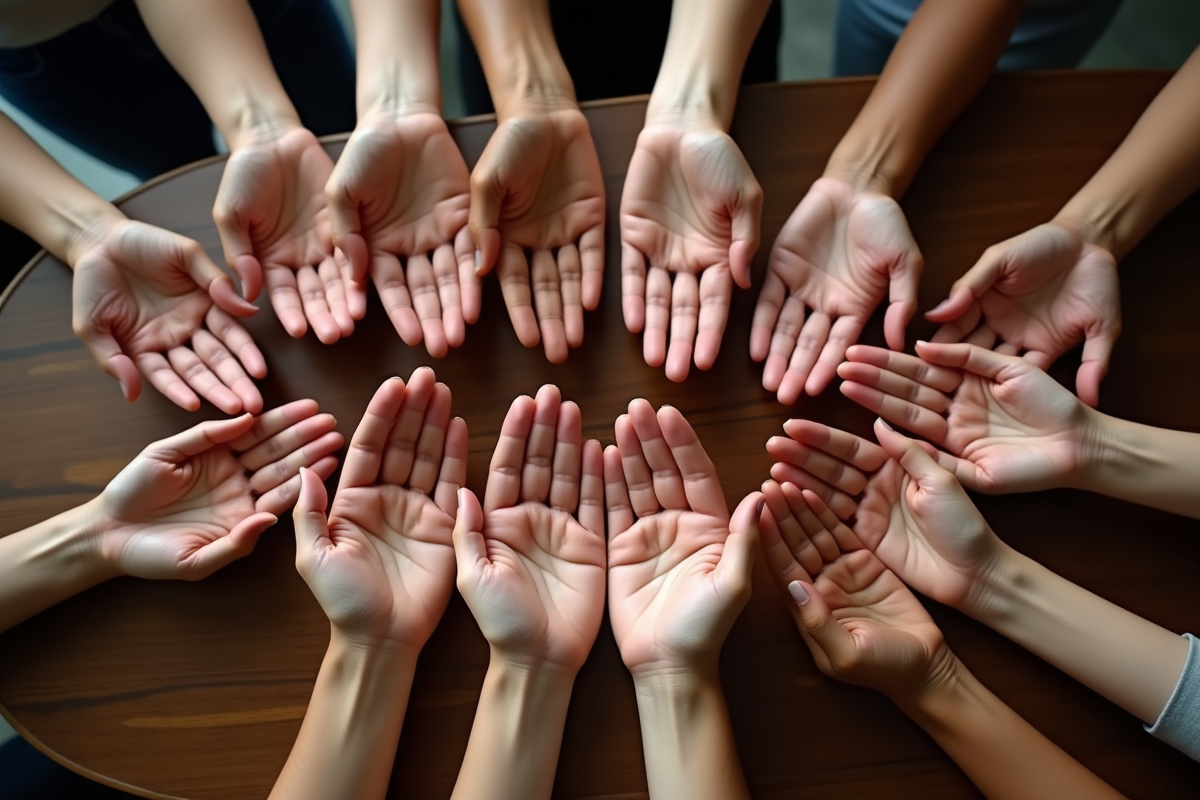
How our sports habits have evolved over the years: trends and analyses
Our physique has never stopped changing, but in recent decades, the pace has accelerated. By scrutinizing the remnants of Cro-Magnon to today’s Europeans, we observe a true waltz of measurements: 40,000 years ago, an adult averaged 183 cm, then height dropped to 162.5 cm in the Neolithic, before rising to 175 cm today. This wide gap reveals the direct impact of living conditions, food, and modes of transportation.
The brain, on the other hand, follows a different trajectory. Its size is decreasing: 1500 to 1600 cm³ in our ancestors, 1350 cm³ in our time. At the same time, the jaw is narrowing, while teeth gain a few millimeters, a detail that intrigues researchers. Studies from the University of Montpellier show that our DNA continues to evolve, outlining the contours of a species in constant motion.
Ways of doing sports are also evolving. Running, cycling, and outdoor activities appeal to a society looking to compensate for the sedentary lifestyle imposed by daily life. Social media amplify the phenomenon, creating waves of collective motivation. Yet, the fight against obesity takes center stage, at the heart of health concerns.
To better visualize these evolutions, here is a comparative table of the main physical data across the ages:
| Period | Average Height (cm) | Brain Volume (cm³) |
|---|---|---|
| Cro-Magnon | 183 | – |
| Neolithic | 162.5 | – |
| Modern Europe | 175 | 1350 |
Gaining years of life through medicine does not eliminate the need to adjust our habits. Faced with constraints, innovations, and collective desires, our bodies demonstrate remarkable adaptability, decade after decade. The question remains what new mutations await us, as movement becomes a societal issue once again.