
One billion voice messages sent every day. This staggering figure alone summarizes the discreet yet decisive upheaval that has taken hold of our digital exchanges. Long relegated to the background, these sound capsules still divide the crowds: on one side, enthusiasm is growing, while on the other, annoyance is brewing.
Some platforms see their popularity rise, particularly thanks to innovative voice features, while others struggle to convince despite their longevity or loyal user base. Behind this rapid evolution, very different uses and expectations are reshaping digital communication.
Voice messages: the trend that is changing the way we communicate
Instant messaging has disrupted our habits, imposing new reflexes in digital life. The voice message, long discreet, has risen to the forefront. More than a billion people use this format every day. It’s not just a matter of convenience: the voice conveys emotions, hesitations, and impulses that text, no matter how direct, cannot offer.
With the rise of voice messages, communication becomes more vibrant, more tangible. Intonation, pauses, breathing—every detail adds depth to speech. Mobile applications have understood this well and are constantly refining their interfaces to make the experience more enjoyable. Some opt for short, efficient messages sent between meetings; others prefer to elaborate, transforming instant messaging into a digital confidant.
If so many people find value in it, it’s also thanks to the ability of instant messaging applications to meet varied needs. A busy executive, a scattered family, a close-knit group of friends: everyone finds their place. The influence of social networks amplifies this movement, making communication more direct and spontaneous. On the professional side, integrating tools like PaiePilot simplifies the flow of information and strengthens bonds within teams.
Tomorrow, the voice message will go even further: instant transcription, audio effects, deeper integration into the digital strategy. The separation between written and spoken language is blurring, paving the way for new forms of relationships and access to information.
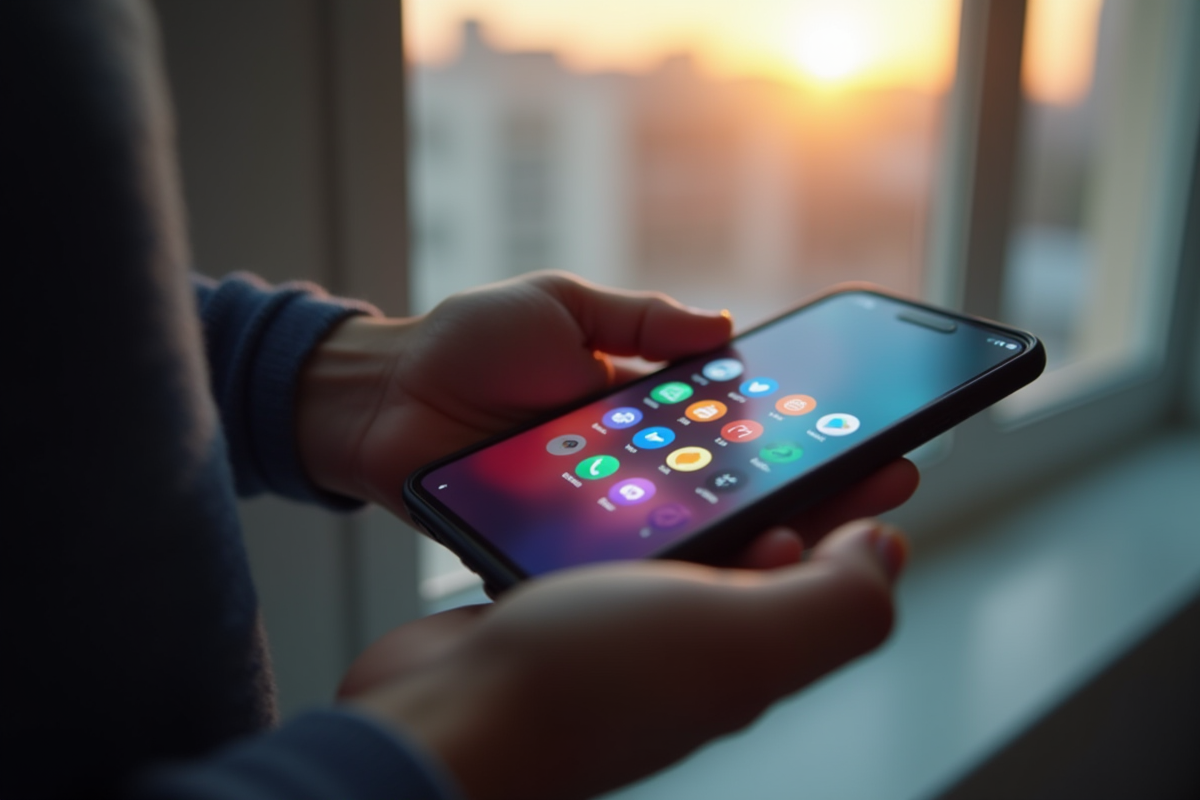
Between time-saving and misunderstandings: how to use voice messages effectively in daily life
Voice messages are becoming the solution to writing deemed cumbersome or phone calls that feel intrusive. They offer speed, directness, and convenience for conveying instructions, reassuring a client, or energizing customer service. But every advantage has its downside, often subtle.
The issue of privacy is not trivial. An audio message can be recorded in seconds, but it is then stored on sometimes distant servers. Users question, sometimes rightly, the data protection measures in place. Brands relying on digital communication strategy are increasing notifications about security, message lifespan, and access control. Security is becoming a central criterion, both for customer relations and for personal privacy.
For businesses, voice messages accelerate the pace. Giving instructions, obtaining immediate feedback, acting without delay: business readily adapts. But it only takes one mispronounced word or an unclear sentence for confusion to enter the discussion. The more savvy choose clarity, take advantage of automatic transcriptions, or alternate with text depending on the situation.
Several aspects illustrate the strengths and limitations of voice messages:
- Time-saving: a few seconds of speech replace long lines of text.
- Security: the issue of privacy and access control remains significant.
- Customer relations: the warmth of tone makes exchanges more human, but accuracy remains fundamental.
In the face of these new uses, the marketing strategy of instant messaging applications is constantly adjusting, seeking to combine speed, reliability, and respect for digital privacy.
The voice has taken power in our digital exchanges. It accelerates the pace, brings people closer, but forces everyone to navigate between spontaneity and vigilance. The question remains: how far will this sound revolution carry our daily conversations?